A 10-STEP GUIDE TO CREATING YOUR FIRST ONLINE COURSE

Esther Fatokun
Content creators have heard tirelessly that they should monetize their knowledge and sell online courses or divulge but no one really talks about the process that goes into creating that course. It takes meticulous steps to create digital products and it equally takes energy and time to online teaching.
This will be an easy 10-step guide to creating your first online course:
Step 1: Pick a passion to learn about. This is essential because it is easy to get tired of a particular niche especially when it is not something you truly enjoy. So make sure you choose from your passions, talents or skills — you are more likely able to enjoy doing something when it is related to your talent or skill.
Challenge yourself to steadily and actively participate in learning and acquiring knowledge and set a time frame for the acquisition of knowledge in that particular niche. Don't stop learning even when you get to an expert level. This helps to ensure that your knowledge becomes one that people will willingly pay for.
Step 2: Ensure the acquired knowledge can generate as much money as you want from said course.
In all honesty, this might be the most difficult step. All you have to do to make it easier is acquire a money generating skill, for instance, everyone can see how quickly technology is growing and so many people are diverting to tech-related jobs and opportunities. So whatever niche you choose should be a money generating one, and this brings us to the next point:

Step 3: Set practical goals.
When you eventually start making money from selling courses online, you might be tempted to increase the price of that particular course or try to go beyond your earlier achieved goal. This is where discipline comes in. As an online marketer, there should always be a set goal, know when to stop. Yes, we all know the money can be tempting but the burnout and stress won't be worth it in the end. So set simple, practical goals and use wise strategies alongside the goals to achieve perfect results
Step 4: Make the best with what you have.
This is the best advice when it comes to not just the real outside world, but also for online marketing. If you have a particular amount that can fund your learning and knowledge acquisition skills, start immediately. Don't wait for bigger funds, more time or whatever your excuse could be. It also goes for the knowledge you have gathered. Make do with it. You do not always have to be an expert in something to do it well. And your knowledge is most likely more valuable that you realized.
Step 5: Have a steady engaging audience.
Now, this is where things might get tricky but always keep in mind that selling a course online is not the same as selling to someone in real life. Before you decide to sell anything online, you would need not just an audience but an engaging one because the time that you'd use to create and put out the course is the best time to advertise. You would need the full support — and money of course — of your audience. Keep in mind that you need an accepting audience before you put any type of online course out there.
You can quickly get a community on Crevoe.
Step 6: Create a flawless course.
Polish your course and make sure it is easy to read and understand, entertaining, and most importantly, imparting the knowledge it is meant to. If you are creating an online course about a niche that requires deliberate explanations, then ensure you do just that. Explain!
Whoever decides to buy your course would be disappointed if after they buy it, they could not understand. Your course has to fulfil its purpose it purpose. Since this is probably your first online course, read and re-read it till you are satisfied then get reviews from friends. Your goal should be:
- To make a simple to read course
- To make the course as good as you possibly can, it will probably precede the reputation of the other courses you might release
- To also make the course entertaining enough for people to finish reading it and buy another you might choose to release.
- To give detailed explanation and examples to ensure that your knowledge is passed across
- Crevoe is the best platform for creating online courses
Step 7: Advertise to your current audience and to potential ones.
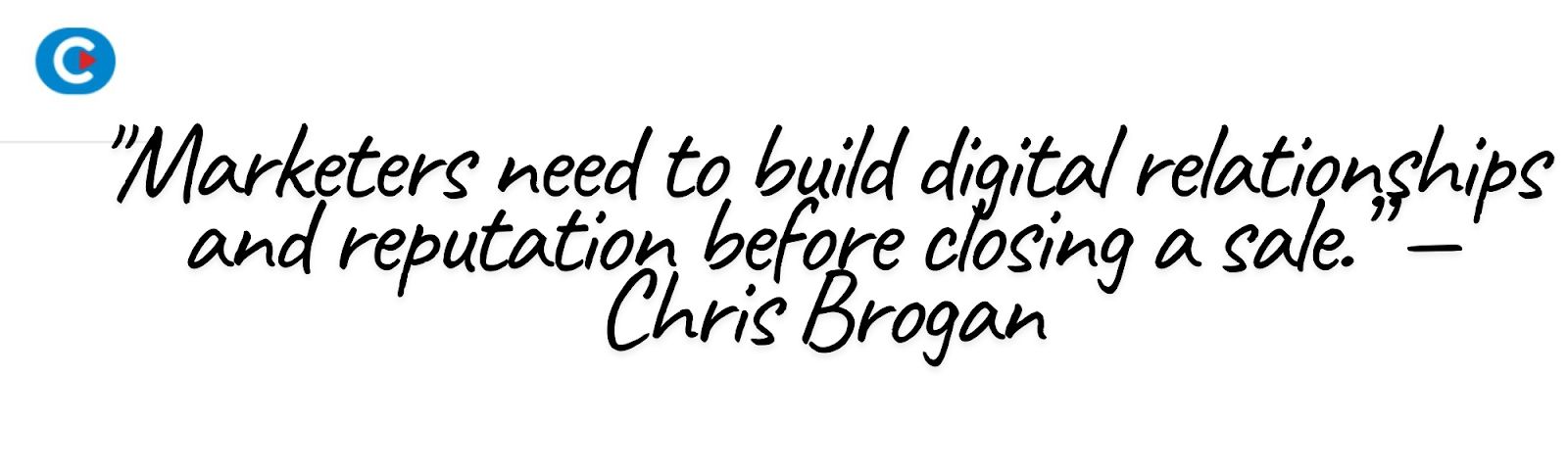
Every single person is a potential audience, you should use that wisely. Advertise about it on your personal social media accounts and as much as you can; to the point where, if people see you, then the first thing they think of is the course you frequently promote. Most celebrities with brands do this very often. You relate the brand to them psychologically whether or not you realize it. So, take time to advertise, pay people more famous than you to advertise if possible. It was said earlier, the clientele for your online course has to be ready before you even think to start creating the course. You should even have some people pre-order the course. Don't ever think you will sell out without the buyers ready even before the product is made. Movie production companies use this tip and they use it well, they create a movie or series that people will love, make sure it ends with a cliffhanger, and come back a few years later to inform you of the new episode that is coming out in a few more years. They build anticipation even before the movie is fully created.
Step 8: Never lose credibility.
This is the most important step and it is the simplest. Imagine there is a content creator who posts cooking content and he releases an online course and you buy it and try a few recipes only for it all to turn out so horrible. And you notice that people are giving similar reviews in the comment section, the creator has lost his credibility because you — or anyone else who bought his first course — may not easily buy the next cooking course. Online marketing is all about credibility because the people you sell to do not know you, there is also no walk-in store for them to come for a complaint or for a refund. Your credibility is the most important thing you need in order to sell online courses. Do you now understand how that works?
Step 9: Don't dabble in too many niches.
Let's use the same content creator who posts about cooking as an example here. In another instance, his course was amazing and the recipes were delicious and all received good reviews. And then he comes back after a year to release a course on make-up. You won't trust his new course enough to buy it — the first thing that goes through your mind might be what does a male chef know about make-up. Then he loses the money and time and energy that went into creating his make-up course. He should have just stuck to cooking and cooking-related courses, as he has built a community and an audience of people who enjoy his cooking videos and courses. The reason they are part of his community is definitely not for make-up!
So, don't be like that chef, pick a niche you are very good at. Even if you want to pick more than one niche make sure it is known by your audience.
Step 10: Be consistent with the above steps.
Do you need an explanation for this?